How to Maintain Dissolved Oxygen Sensors
Dissolved oxygen sensors are important tools that help us measure the amount of oxygen available in water. This is crucial for fish and other aquatic life. Keeping these sensors in good shape is key to getting accurate readings. If you have a dissolved oxygen sensor, you should know how to take care of it. Proper maintenance helps to ensure the sensor works well and lasts a long time. At JIDE, we know how important these sensors are for many industries, and we are here to provide you with tips on maintaining them.How to Optimize the Performance of Dissolved Oxygen Sensors for Wholesale Buyers
For wholesale buyers, finding the best dissolved oxygen sensors is just the first step. Once you have them, it's important to keep them working well. Regular cleaning is one of the most important things you can do. Dust, dirt, and other particles can affect how well the sensor works. You can clean the sensor with a soft cloth and a mild soap solution. Make sure to rinse it well and dry it completely before using it again. Another tip is to keep the sensor in a proper storage solution when not in use. Using a storage solution helps to keep the sensor hydrated and prevents any damage.
Calibration is also very important for maintaining the accuracy of the readings. You should calibrate your sensor regularly, especially if you notice any strange readings. Calibration involves comparing the sensor's readings to a known value and adjusting it if necessary. Make sure to follow the manufacturer's instructions for calibration. At JIDE, we recommend doing this at least once a month.
Temperature can also affect the sensor's performance. Try to keep the sensor in a stable temperature environment. Extreme heat or cold can damage it. If you are using the sensor in a place where temperature fluctuates a lot, consider using a protective casing. This helps to keep the sensor safe and functioning properly. By following these steps, wholesale buyers can optimize the performance of their dissolved oxygen sensors and get the best results.
What to Look for When Buying Dissolved Oxygen Sensors in Bulk
When buying dissolved oxygen sensors in bulk, there are several important things to consider. First, you want to look for quality. Choose sensors that are known for their reliability. You want sensors that can give you accurate readings over time. It can be tempting to buy the cheapest option, but sometimes paying a little more for a better product pays off in the long run.
Next, check the warranty offered by the manufacturer. A good warranty can give you peace of mind. If something goes wrong with the sensor, you will have the support you need. At JIDE, we stand by our products and offer solid warranties to our customers.
Also, think about the compatibility of the sensors. Make sure they can work with your current systems. If the sensors need special adapters or equipment, it might increase your costs. Lastly, consider customer support. If you have questions or need help, it’s important to have a company that is easy to reach and willing to assist you.
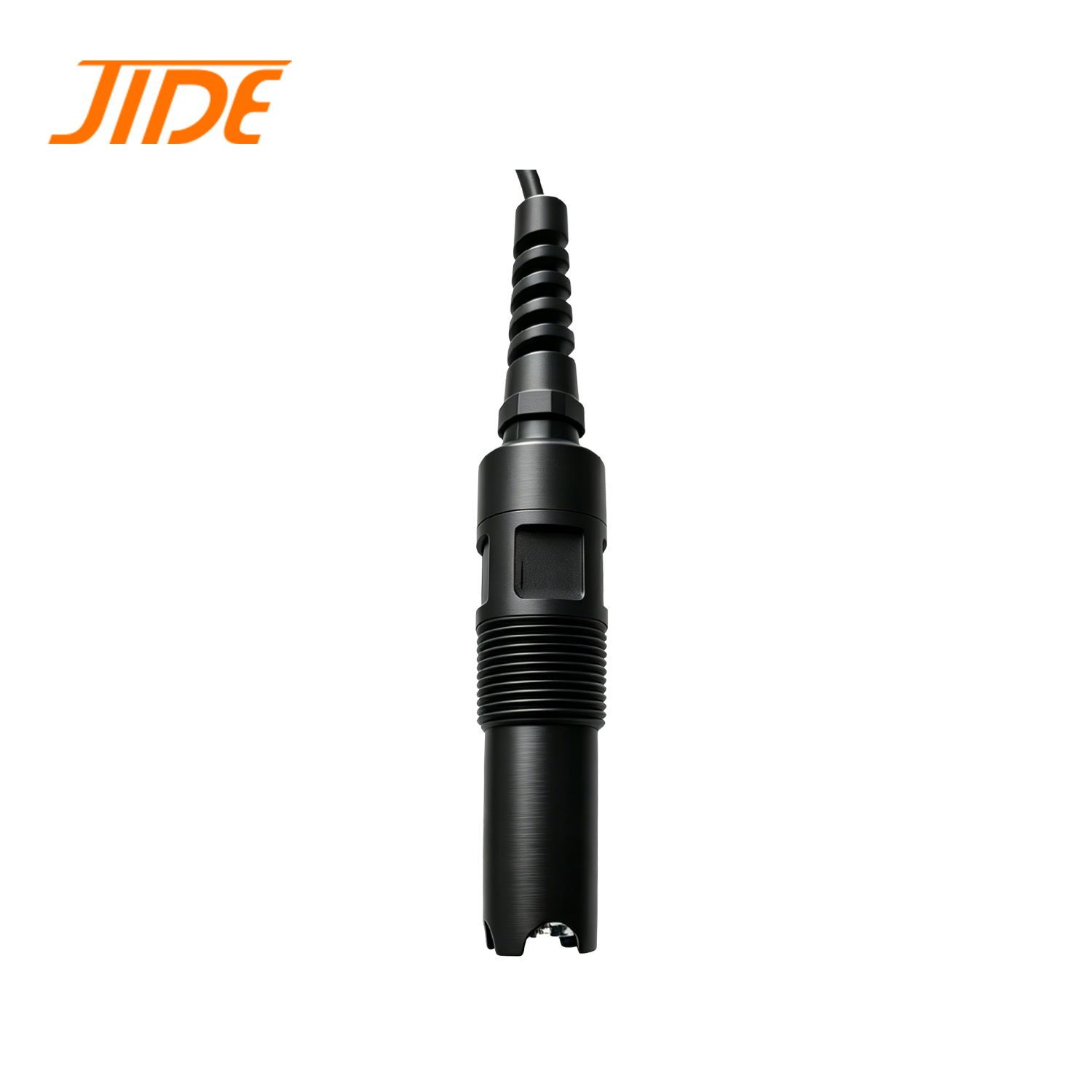
In summary, keeping dissolved oxygen sensors in good condition is vital for anyone who relies on them. For wholesale buyers, optimizing performance means cleaning, calibrating, and protecting the sensors. When buying in bulk, focus on quality, warranty, compatibility, and support. At JIDE, we are dedicated to providing excellent products and support for all our customers.
How to Extend the Lifespan of Your Dissolved Oxygen Sensors
Dissolved oxygen sensors are important tools used in water quality testing. They measure the amount of oxygen that is dissolved in water. This is crucial for fish and other aquatic life. To make sure these sensors last a long time, you need to take good care of them. First, always follow the instructions that come with your JIDE sensor. It is important to know how to use it properly. After using the sensor, clean it carefully with fresh water. This helps remove any dirt or chemicals that might stick to it. If you leave dirt on the sensor, it can stop working well over time. You should also store the sensor in a safe place when you are not using it. Avoid places that are too hot or too cold, as extreme temperatures can damage the sensor.
Another way to extend the lifespan of your dissolved oxygen sensor is to check its calibration regularly. Calibration means making sure the sensor gives accurate readings. If your readings seem off, it might need recalibration. JIDE sensors often come with easy instructions for calibration. Doing this regularly helps you keep the sensor working right. Also, try to avoid dropping or banging the sensor. It is delicate and can break easily. If you notice any cracks or damage, stop using it immediately. Using a broken sensor can give you wrong readings, which can be harmful for the water environment you are testing. Lastly, always keep an eye on the battery life if your sensor uses batteries. Change the batteries as needed so that the sensor continues to work correctly. By following these simple steps, you can help your dissolved oxygen sensor last longer and work better.
What Are the Best Practices for Maintaining Dissolved Oxygen Sensors?
Maintaining your dissolved oxygen sensors is very important for getting good results. The best practices start with regular cleaning. After each use, rinse your JIDE sensor with clean water to wash away any dirt or chemicals. Do not use soap or other harsh cleaners, as they can harm the sensor. Instead, just use water and a soft cloth. This will help keep the sensor free from blockages. You should also check the sensor for any signs of wear and tear. If you see any damage, it is better to replace the sensor than to risk getting bad readings.
Another best practice is to keep the sensor hydrated. Some sensors need to be stored in a special solution or water to keep them moist. Check the instruction manual for your JIDE water dissolved oxygen sensor sensor to see what it needs. Keeping the sensor wet helps it work correctly. Also, be sure to use the sensor within its temperature range. If the water is too hot or too cold, it can affect the readings. It’s good to check the temperature of the water before using the sensor. Additionally, always follow the manufacturer's guidelines for how often to calibrate the sensor. Calibration is important because it ensures that the readings are accurate. If you notice that the readings are not matching what you expect, recalibrating is a good idea. Finally, make a schedule for regular maintenance checks. This way, you won’t forget to take care of your sensor, and you can catch any problems early.
Where to Source High-Quality Dissolved Oxygen Sensors for Wholesale
If you are looking for high-quality dissolved oxygen sensors for wholesale, JIDE is a great choice. They offer sensors that are reliable and accurate for testing water quality. When buying in bulk, it is chemical oxygen demand sensor important to find a supplier you can trust. Look for a supplier that has good reviews and a strong reputation. You want to make sure that the sensors you buy are made with quality materials. This way, they will last longer and give you better readings.
You can search online for wholesalers that specialize in water quality equipment. Make sure to compare prices and features. Some suppliers may offer discounts for bulk purchases, which can help you save money. Also, check if the supplier provides good customer service. If you have questions or need help, it is important to find someone who can assist you. You can also ask for samples before making a large order. This way, you can test the sensors to see if they meet your needs.
Lastly, consider attending trade shows or industry events. These events are great places dissolved oxygen sensor to meet suppliers and learn more about the latest technologies in water testing. At these events, you can see the sensors in action and ask questions directly to the manufacturers. By taking the time to find a quality supplier for your dissolved oxygen sensors, you can ensure that you are getting the best products for your needs.